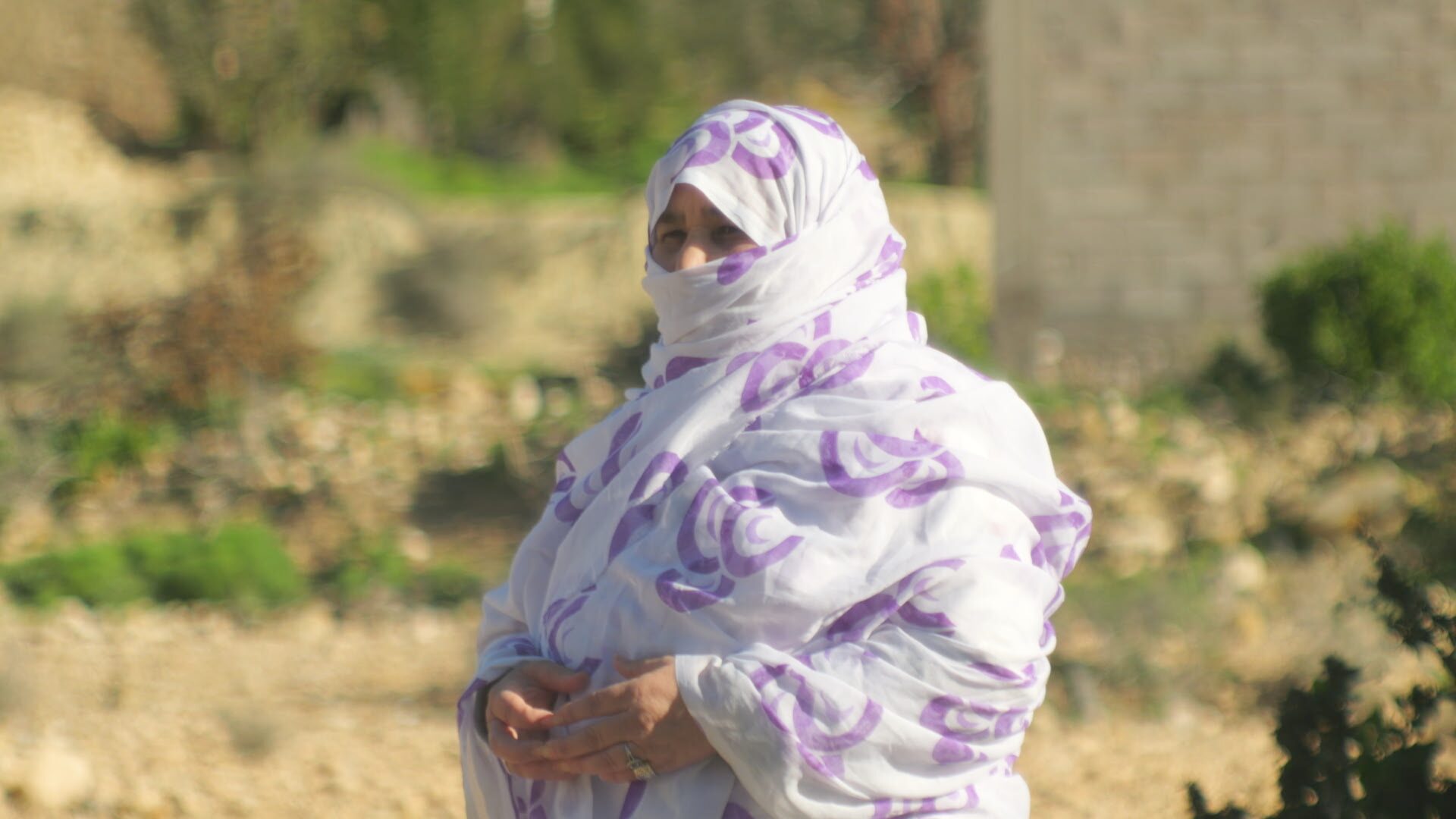
Long before there were cameras on the mountain, there was a story. The Guanches believed a demon lived inside the volcano. Our documentary asks why, more than five centuries later, that story refuses to die.
Every island has a mountain, and every mountain has a story. On Tenerife, the mountain is Teide — at 3,715 metres, the highest peak in Spain — and the story is Guayota. For the Guanches, the Indigenous Amazigh people who inhabited the island before the Castilian conquest, Guayota was not a metaphor. He was a malevolent being who dwelled in the fiery interior of the volcano, and whose presence explained the most terrifying force the islanders knew: eruption.
A myth born from the earth itself
According to the tradition passed down through generations, Guayota kidnapped Magec, the spirit of light and the sun, and dragged him into the depths of the Teide, plunging the world into darkness. The Guanches pleaded with Achamán, their supreme god, who defeated Guayota, freed Magec and sealed the demon inside the mountain. The plug of light-coloured rock at the summit crater, the legend says, is the stopper that keeps him there to this day.
The volcano did not need to be explained. It needed to be survived. The myth was how a people made the unsurvivable bearable.
What makes Guayota more than folklore is how precisely it tracks the lived reality of a volcanic island. An eruption is darkness, fire, sulphur and fear arriving without warning. A myth that turns that chaos into a story — a villain, a hero, a resolution — is not superstition. It is a survival technology, a way of holding terror at arm's length.
Why a documentary, and why now
Our film, El Guayota, sets out to do something the legend itself never could: hold the myth and the science in the same frame. We move between the volcanologist measuring the mountain's breathing and the philologist tracing how the story mutated across centuries of retelling; between the archaeologist reading the Guanche world from what it left behind and the scholar of Amazigh culture connecting the islands back to the North African mainland.
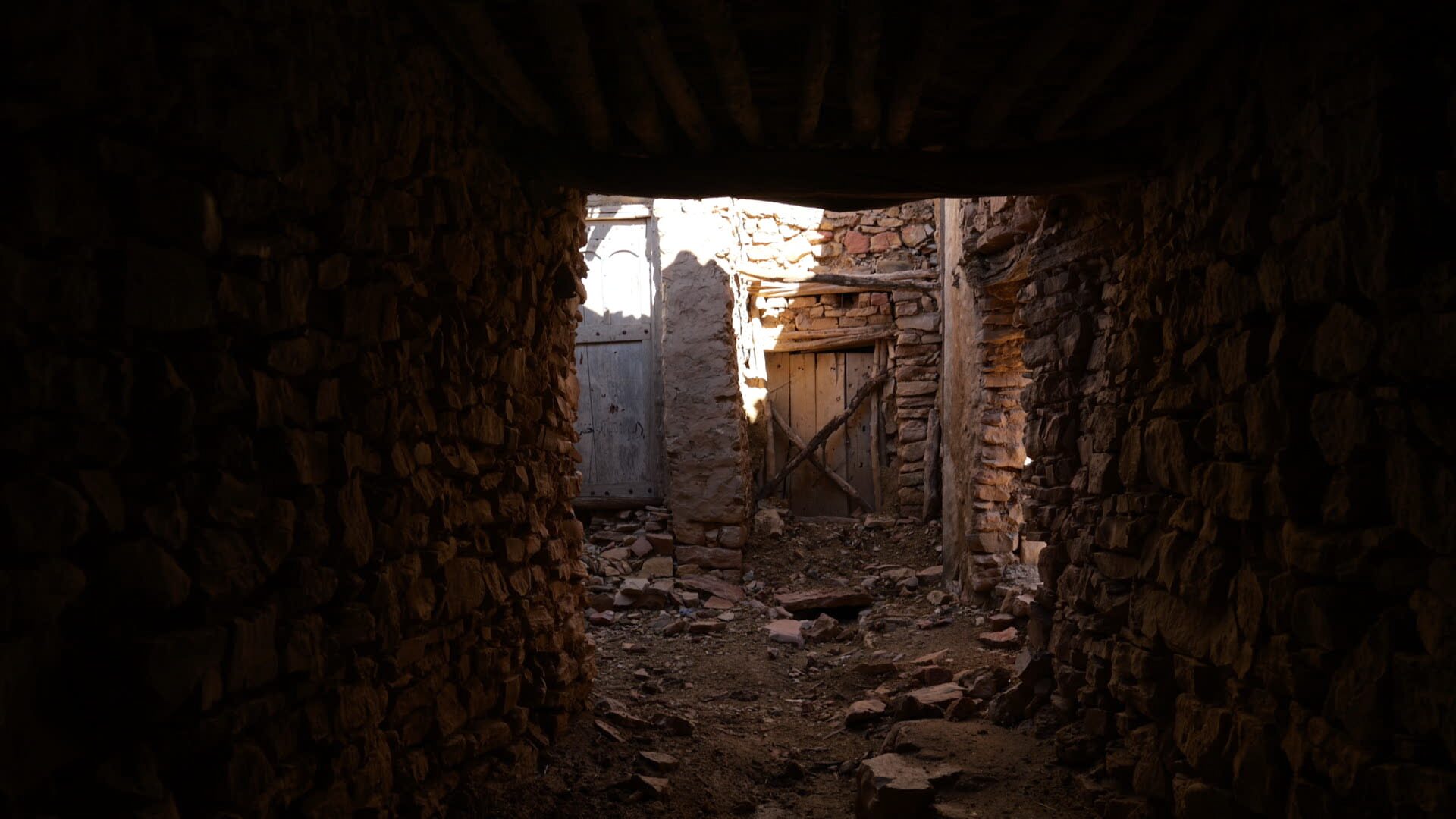
The voices of the film
- Antonio Tejera Gaspar — Professor of Archaeology, on the Guanche world and its beliefs.
- Clive Oppenheimer — Volcanologist, University of Cambridge, on what the mountain actually does.
- Ahmed Sabir — Amazigh Studies Specialist, on the islands' deep North African roots.
- Maximiano Trapero — Professor of Spanish Philology, on how the legend survived in language.
The mountain as a character
Shooting on Teide is its own kind of negotiation. Most of the action takes place inside Teide National Park — a UNESCO World Heritage Site — where access, conservation and the sheer altitude shape every decision. The light at 2,000 metres is unlike anything at sea level: thin, hard, almost lunar at midday, then molten at the edges of the day. We built our schedule around those edges.
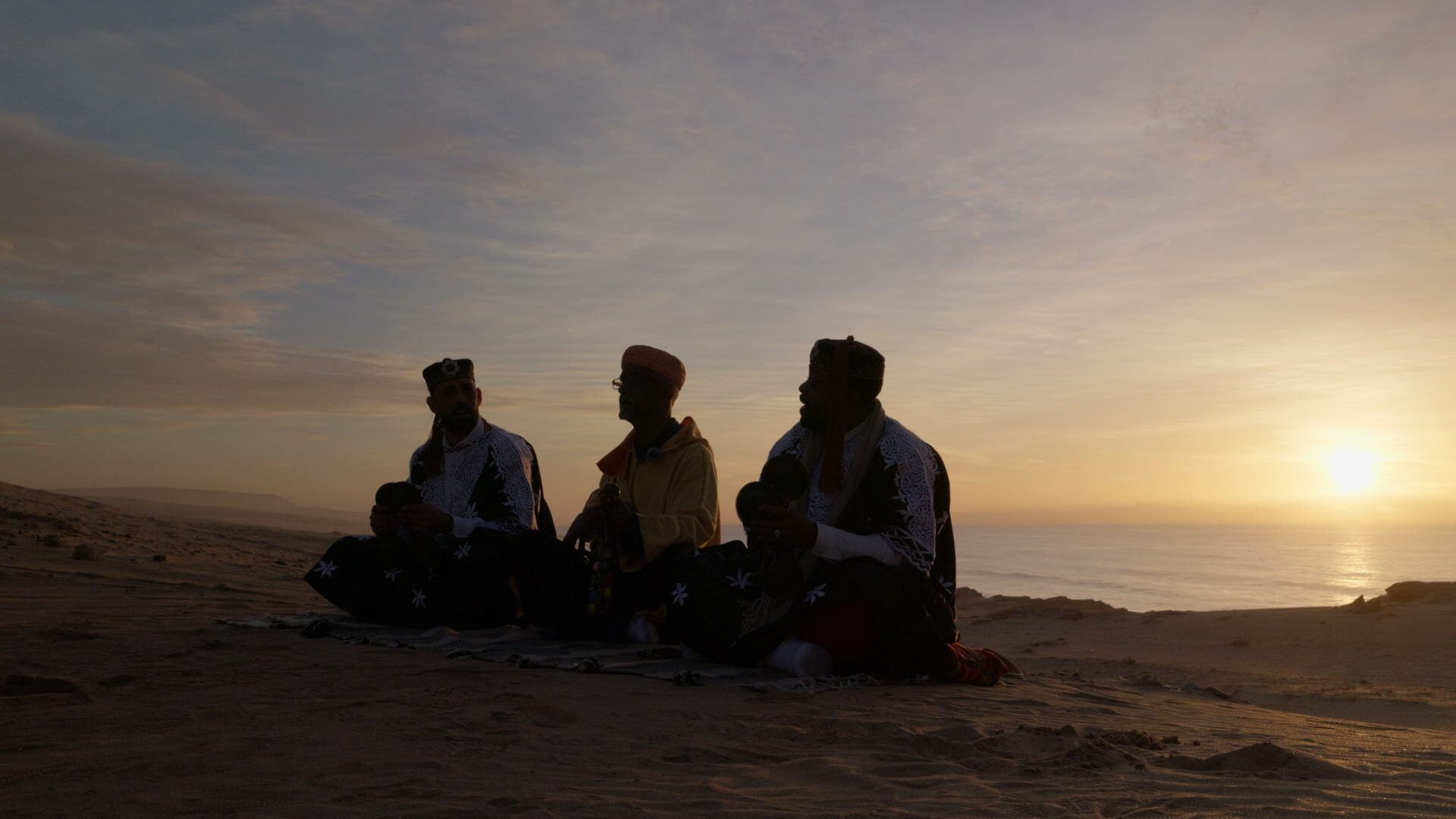
What we keep returning to, in the edit, is how present the myth still is. Guayota is on restaurant signs and brewery labels; the name surfaces in conversation as a shorthand for the island's character. The demon was sealed in the mountain, but the story leaked out and made a home in the identity of a people. That is the real subject of the film — not whether the legend is true, but why a community decided to keep telling it.
El Guayota is currently in post-production. Follow the journal for production updates, or get in touch about co-production and distribution.